How to transition from sedentary to strong after 50 years old.
“Is it too late for me? Will I injure myself?
This is a common fear among people who finally realise that time has passed and their body is in great need of repair and mainatinance.
The really great news is that it is never too late. The human body always retains the ability to adapt to new physical demands. Adapting to building muscle, and strengthening bones at any age is absolutely possible.
Below are a few ideas for you to consider when you are seriously thinking about what to do about aching joints and slack muscles that create the lethargy and feelings of weakness in everyday life.
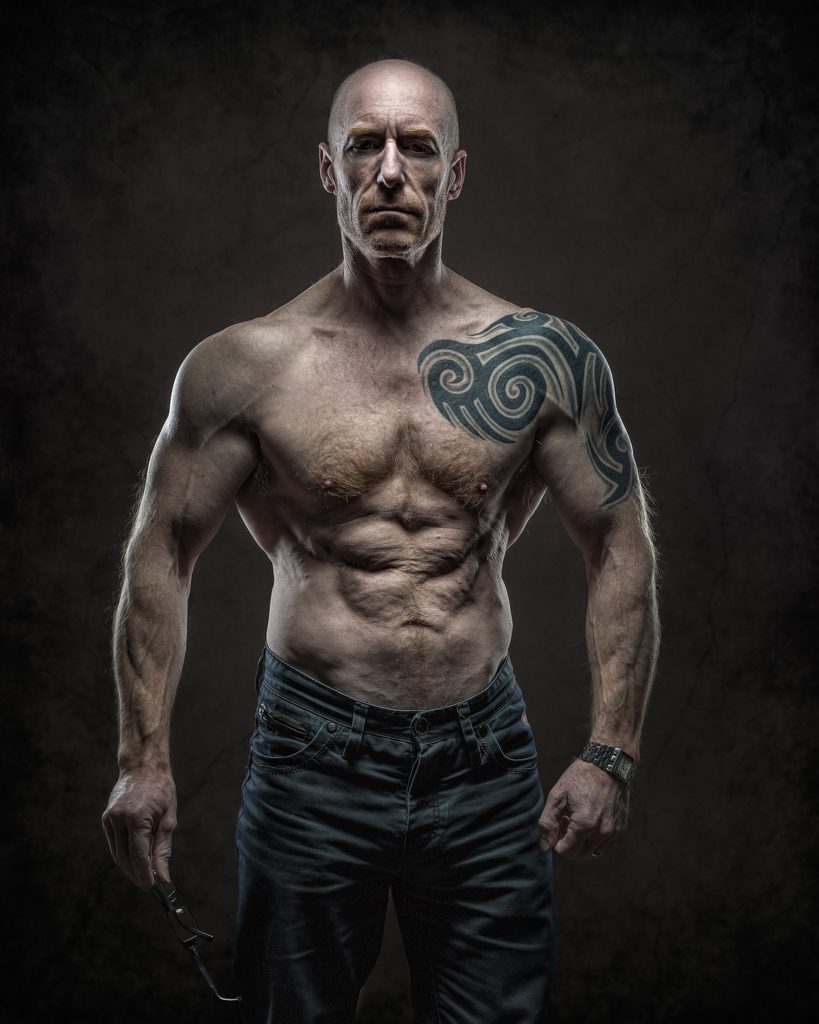
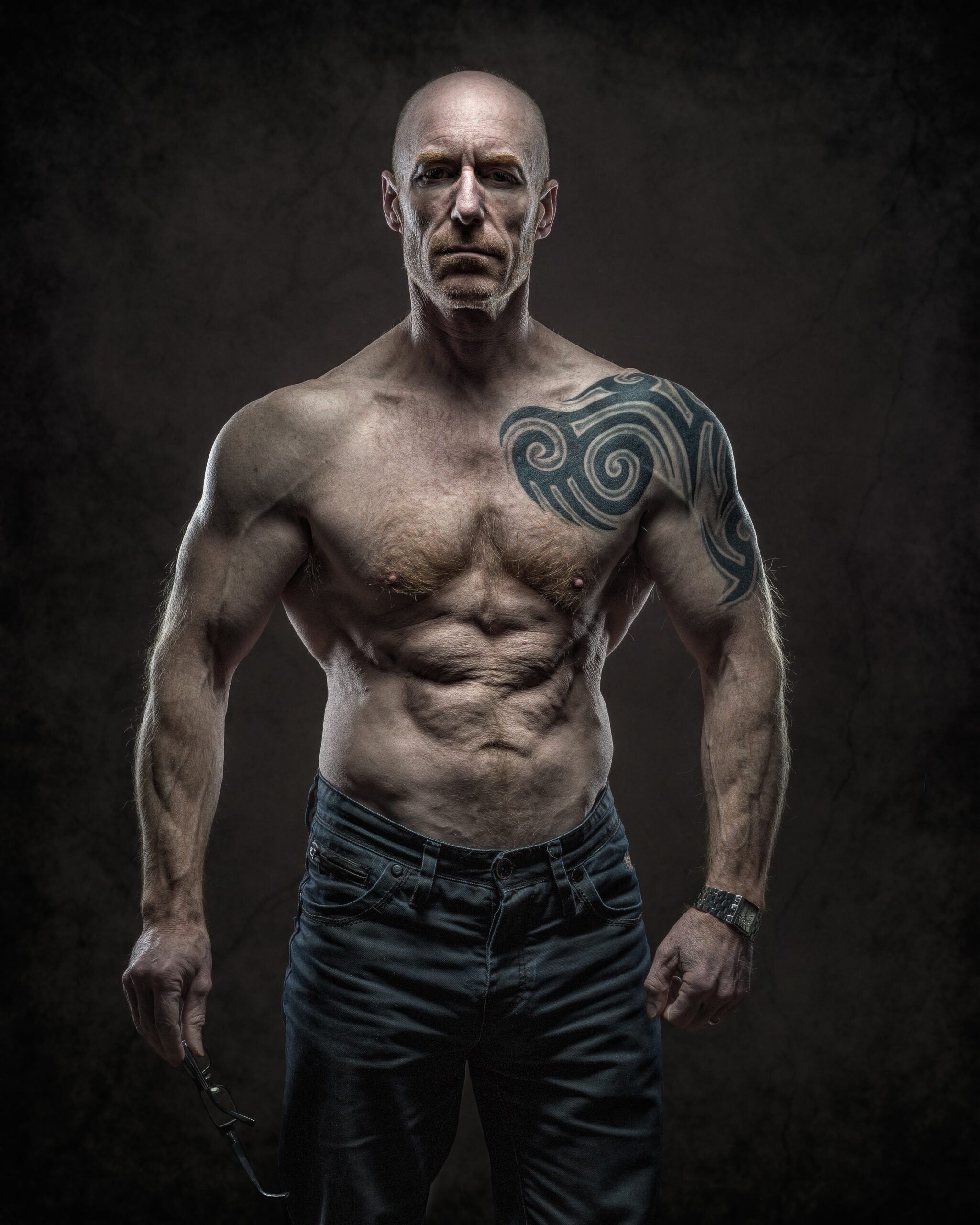
People who do not care to look after their bodies, don’t lift weights, don’t run, or do anything to stress the body into positive action tend to be the same people who bad-mouth most sports as being dangerous to the joints or too stressful for the heart. They know nothing. but they spread bad news.
Myth-Busting and The Realities of Weight Lifting
The truth is that to avoid weight lifting in older age, to play it safe by doing nothing is the dangerous path to follow. Lifestyles behind the computer screen, sitting in front of a movie for entertainment, munching on a favourite snack, and never balancing these static moments of life with an activity that demands the use of muscles and joints is the real killer. It’s guaranteed to turn your body into a melting blob of jelly that creaks when you try to get out of a chair.
A sedentary lifestyle will create results, negative results from head to foot. Not to mention the depressive thoughts, sadness, and regret that build in the mind.
Weight lifting as you become older is a medicine for life. It opens up a pathway that allows you to discover that it ain’t all over, that strength is still at hand, you just have to focus and grab it and feel the cold steel barbell, take the weight and lift. Blood will flow through your body, muscles fibers will expand and open up and become available to grow in strength and size.
With gentle first workouts, low weight, focused on the idea that your first three to four weight lifting sessions at home are like intense warm-ups for the body will reveal something that you didn’t know about before; You can still do it, you can lift weights and through instinct you’ll understand that you can gently but surely make progress over the next few weeks.
Progressive resistance training with weights stimulates muscle protein synthesis, increases bone mineral density, and supports metabolic health regradless of how old you are. This science, this is what we now know.
Laying a Foundation for Successful Weight Lifting
Firstly, if you have pre-existing physical problems that a doctor checks for you, talk to that doctor about your intentions to start weight lifting for your health and strength. They won’t be an expert on weight lifting, but they will be able to advise you on how much resistance your body is capable of taking in your present condition.
(I am not in the position to offer advice on any medical conditions that might need addressing – your doctor can do this for you.)
Mindset and Focus ;
Focus on consistency and progressive improvement. The goal is in the daily practice – not goals that only appear at the end. When we are older, in our 50s, 60s, 70s and more, we should set different objectives to the ones we had when we were younger. The body is our vehicle, we want it to deliver top performance. We can influence that outcome through strength training with weights. This can happen at home, build a useful and small home gym that gives you an immediate go to space to get going on building your strength, transforming your body into something better than you imagined.
Regular weight lifting with the right weight, the right equipment, will bring desired results. The whole idea of whether an older person can change their body through weight lifting into a stronger and fitter body, agile, able to walk longer distances, to get up and down the stairs, to feel that wonderful sense of security that comes with strength of body as you notice the b ounce in your step, is well researched in sports science and now in medical science and biology.
Science understands more than it did thirty or forty years ago.
After a work out the body begins to repair itself. Tissues have been micro damaged as part of natures way to create stronger muscle tissues. This mean you’ll experience soreness. I like to think that most of us know the difference between an injury that needs attention, and a muscle that is in need of rest.
Rest periods between workouts are a big part of successful weight lifting. If you don’t take resting muscles seriously, and give it the time needed before the next workout, then that workout that is going as too far will lead to all types of problems; burn-out, muscles that are too exhausted will refuse to do the work and you’ll experience a few days of feeling wiped out.
It’s up to you how long the rest period should be. Experiment with varying your weight lifting rest periods between 48 hours proper rest, or even three days between workouts. You are you, and I am me, our energy levels and ability to repair muscles is a similar process, but a different kettle of fish in both cases. Find out through experimenting what works for you.
You should return to the next weight lifting workout with a focused and positive mindset. Eager to get stuck in, knowing what lifts you want to do. This is a good sign that you are well rested and have already made solid progress.
Phase into Your Strength Training
Week 1-2
Depending ion your age and experience you should get your body used to these new demands and movements. You can work on your back muscles with stretching exercises, shoulders and chest with wall push ups. Leaning into a wall at an angle, hands firmly against the wall, feet solid and gripped on the floor, push outwards gently, then allow your body weight to move back towards the wall, push out again to almost full arm extension. Repeat until you need a break. This gives you an easy way into exercise, and it shows you how strong your arms are when pushing against displaced body weight.
Practice squats using a chair to steady yourself – as the weeks passes, you’ll notice that you have more control over your balance when you body weight squat. The balance is developed through increasing strength and mobility in the hip, knee, and ankle joints, also as the muscles strengthen balance increases – don’t forget the muscles of the feet play a big role in balance. Gripping the floor softly like a cat, allowing the feet muscles to expand and contract naturally helps you find your best position.
Practice gentle neck rolls to loosen up the neck and trapezius muscles.
Rolling the hips in a circle for ten reps, then reverse direction for ten more reps will loosen up the muscles and joints.
Bend over and touch your toes ten times. This will stretch the rear quads on the legs, and open up the lower back muscles with a little work in the gluteus maximus.
Working your various muscle groups creates a stronger awareness of your body. What each muscle does, how it is used to help us stand up straight, to move forwards, to sit and stand up, and to lift objects – like barbells. This awareness develops an appreciation for the possibilities of muscle strength and health development.
Introduce Weights for Light Workouts
When you have warmed up your body, understood a little about which muscles need work, either a lot of warm ups with stretching or light weights to activate them, you can start to lift weights in sets of reps.
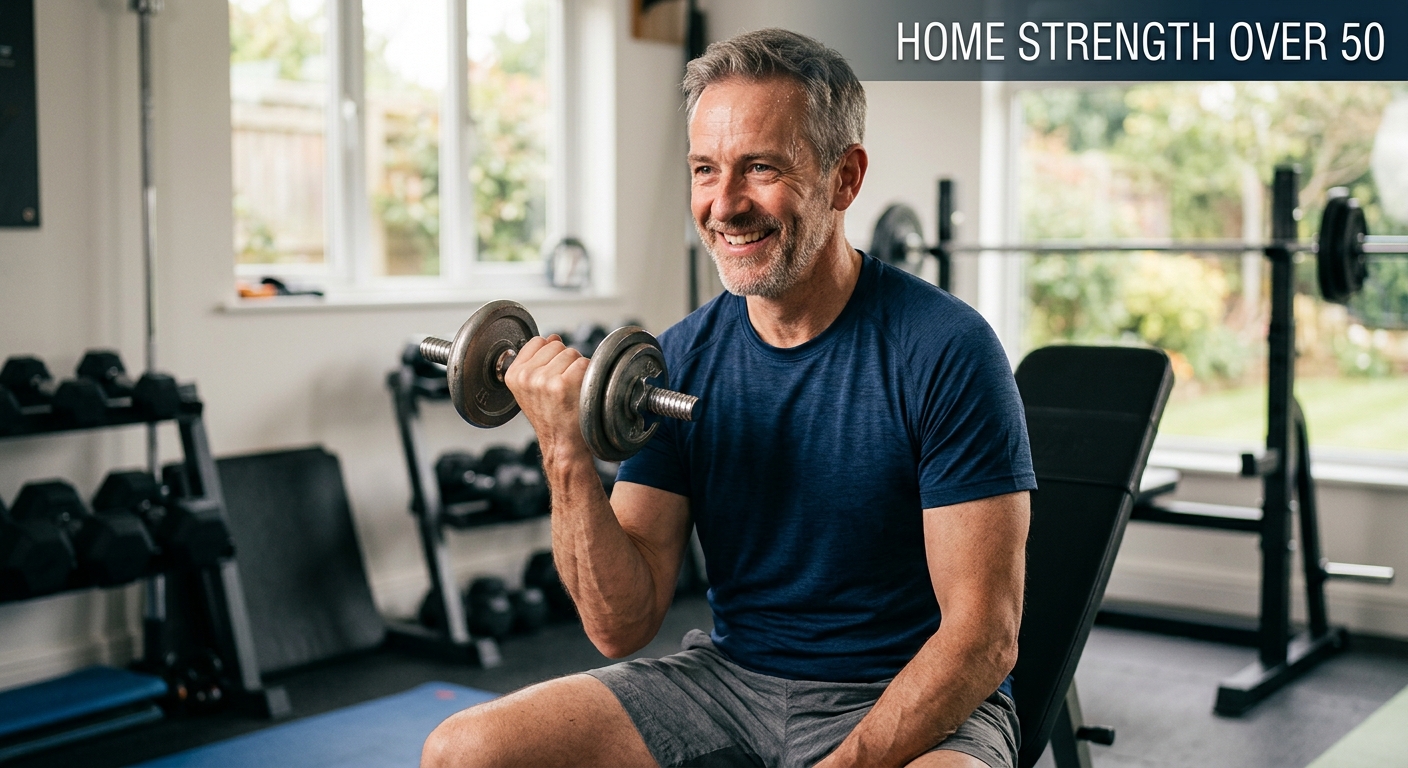
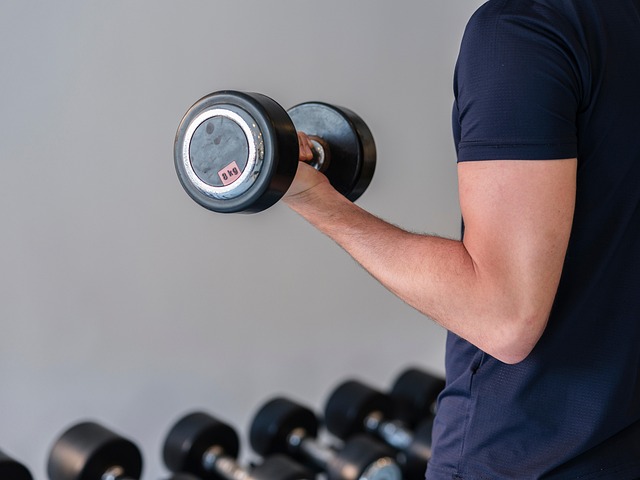
Use dumbbells, or kettlebells, to build the upper body; biceps curls, overhead push for shoulders, lay on the bench and use dumbbells to do bench presses for your chest muscles.
In this phase, where you are becoming familiar with your body and weights, you should keep it light enough to be able to focus on the movement more than on the “can do” mindset. You can challenge your mind and body later when you know you’ve got the movement right and your lifting is safe and correct form.
Form is highly important. You avoid injuries by practising good form. Form is lifting the weight in a natural movement that is consistent with the joint’s natural course of movement, and the position of your wrist when gripping a dumbbell or barbell. If it feels awkward, or feels wrong, then it probably is wrong; due to too much weight, or sloppy grip and position.
Workout safely.
You can use an E-Z Bar for many of the upper body exercises, experiment, get the feeling, and always bear in mind that an E-Z Bar is designed for supination of the forearm. This allows the movement to stay natural and to target muscles specifically, such as the biceps.
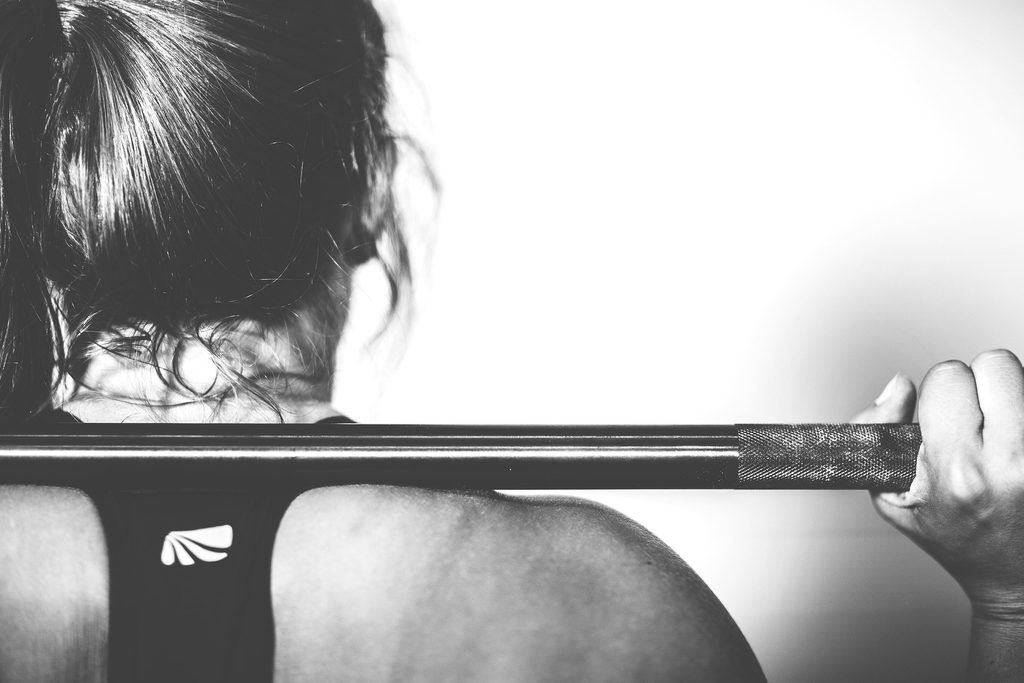
A Barbell is a great piece of equipment. Purchase one that fits into the space where you intend to workout. An Olympic bar needs a lot of room. Not only because of the length, but also when you need to reposition it, turn it in the space you’re using etc. An Olympic bar also weighs about 9 to 10 kilos without any weights on it. Bear that in mind. You can purchase barbells at 140 cm /55.12 inches – / 150 cm/ 59.06 inches / 170 cm – 66.93 inches long which are more suitable for home gyms and tight spaces.
Dumbbell press for chest on a bench or the floor. Dumbbells are flexibel – they are not only used for arm curls but with a little imagination you can use them for many of the exercises that will build your whole body into a strong and powerful vehicle for living well.
Leg squat with a dumbbells held closely at your sides or barbell for building leg muscles.
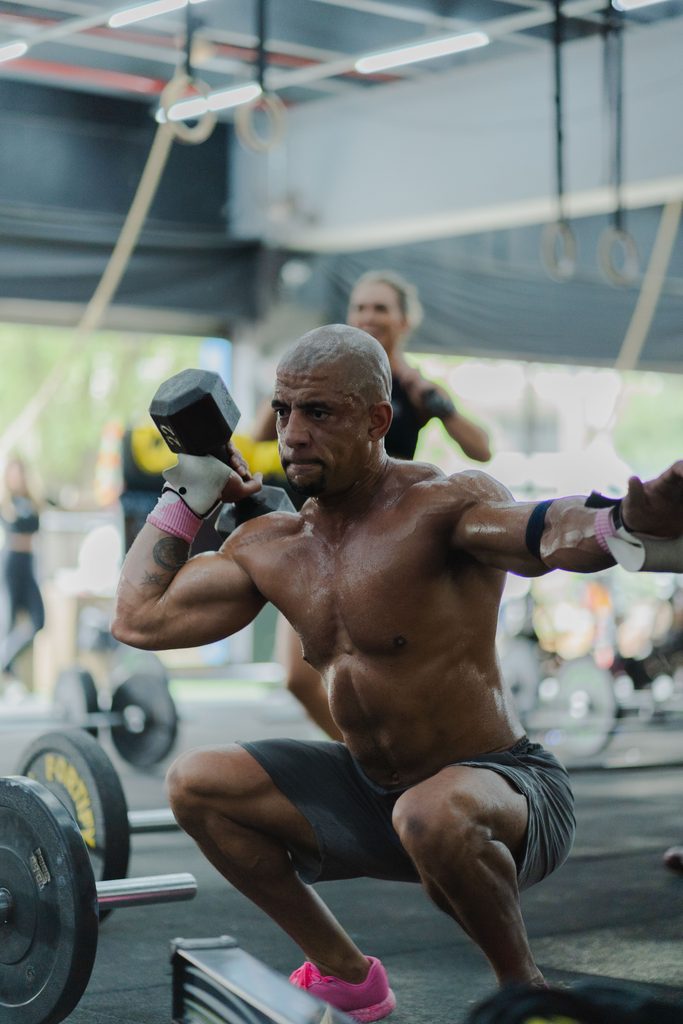
Dumbbell bent over rows to build lats and back muscles. You need a bench for this.
Workouts should be designed personally to exercise each major muscle group; legs, back, chest, and arms – the stronger your arms and shoulders, the better you can control the weights to gain better form.
Get into your routine, focus on the gains of strength, stay in the moment – not the future. weight lifting is not a boring task when you focus on all the elements of how and why you practise strength training with weights. It’s actually fun, enjoyable, rewarding, exciting, and develops a strong and permanent sense of daily joy in people who go for it, understand it, and see and feel the benefits of weight lifting – even when you are older and have never lifted a weight before, you’ll discover something amazing about your body and mind when you start to lift weights and go at it with strong positive attitude and a healthy regard for your own safety.
Never skip your warm ups; warming up the body ensure safety, not pulled muscles, no bad aches and pains, it is also, very much, a big part of success in your workout that day – there is nothing sweeter than walking away from a good workout and knowing that you just did something great for your body and mind.
Don’t neglect to remember that everything counts; your warm up before you lift the weights, your form in lifting the weights, and eat well – older people need more protein than they used to. We are combating muscles that are fighting sarcopenia and bones that need to stay strong. Eat well, measure your protein intake, overcome craving for sweet sugary foods by eating the protein filled meals often, the desire for sweet foods is a quick fix for low energy and strength – protein before carbs fixes the problem.
Recover properly. Allow the body time to rest and recuperate. Don’t try and do a ton of supersets, or let your ego rule your spirit. Spirit endures, ego pops and hisses into nothing.
Hydration is essential. When we work out we sweat, sometimes it doesn’t seem as if we did, but we do! Keep yourself well watered as if you’re tending your favourite flower, watch it grow and flourish through the seasons.
Sleep eight hours a night. Sleep time is growth time. If you begin weight lifting for strength you’ll begin to sleep better. I know, I’ve been there done that with bad sleep, now, I workout regularly, and I sleep better than ever.
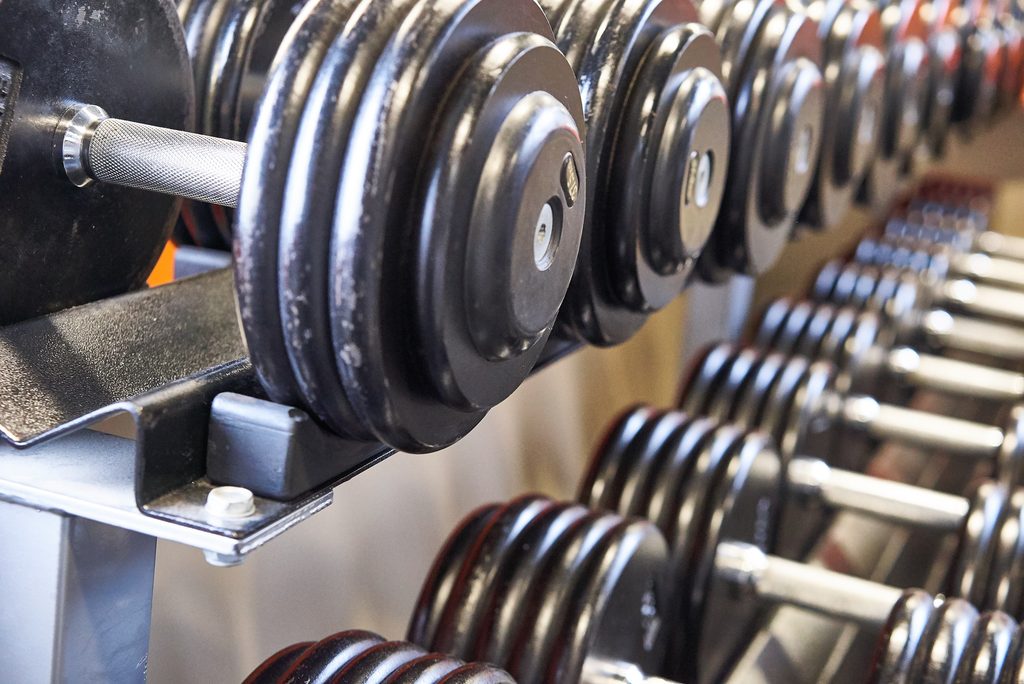
There are many types of equipment solutions. dumbbells can now be purchased as a set that adjusts easily with a modern technology, traditional sets of dumbbells are great, plates stack up well, and are easily changed for lighter or heavier plates.
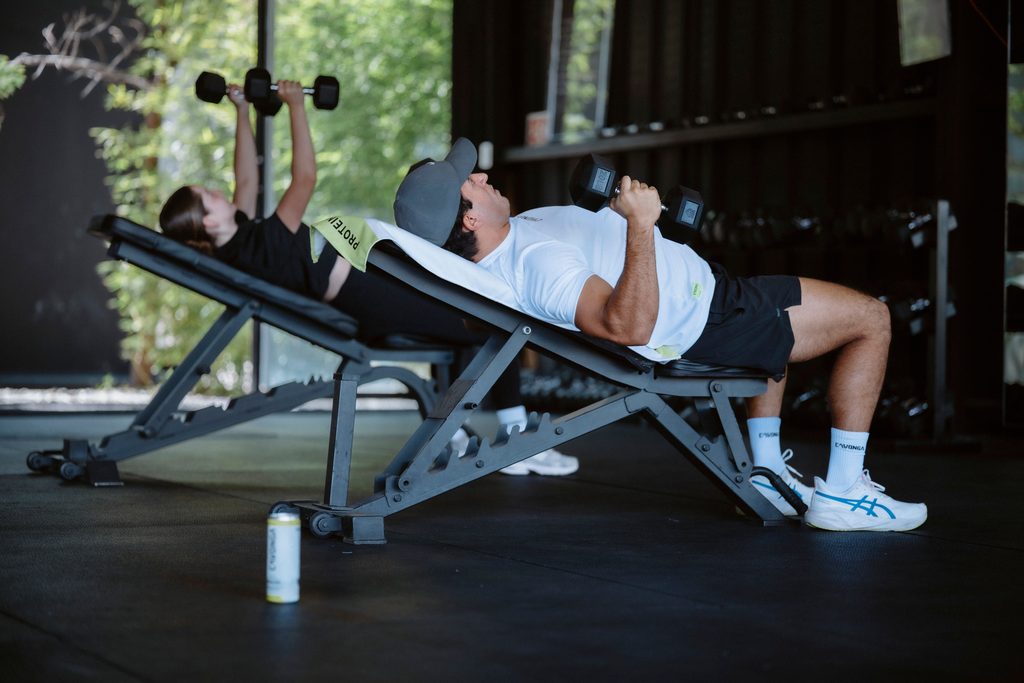
Barbells are long and you need to consider how much space you have to accommodate the length of the bar.
You can wear soft but firm sports shoes. It depends where you do your workout. I do all of my workouts at home, I go bare foot because it develops my foot muscles.
It’s a good idea to think about having a mat of some type on the floor where you workout. It can be a flat, smooth woven mat, or a rubber mat – the idea is that you want to protect the flooring and not allows the weights to dent wood flooring or chips concrete.
A bench with or without a barbell rack is highly recommended. The bench is used for all types of exercises. Upper body strength building is made more safe and comfortable when you use a bench for lat-rows (Back work), or bench press (chest), overhead shoulder presses, and many more types of exercises.
Strength and health is freedom. We can sit on our backsides and capitulate to wasting muscles, and weak bodies, or we can keep the spirit alive with positive weight lifting in our older years. Build the body and the spirit will help, the mindset of focus, positivity, not listening to nay-sayers, eating, sleeping, and resting well all lead to a better life.